
There are around 55 million people living with dementia around the world, and this number is estimated to increase to 139 million by 2050. With the festive season just around the corner, people are starting to think about presents for friends and family. Buying a gift for a loved one with dementia can take some extra thought, but there are plenty of options to choose from.
Understanding Their Needs
For someone with dementia, receiving traditional presents could cause confusion or sensory issues, and something meant to be an exciting surprise could cause anxiety and be overstimulating. Knowing what to avoid is a good start. Here are some examples:
- Complicated gadgets and complex puzzles: A new gadget, like the latest phone or a smartwatch, can be confusing and cause frustration. Likewise, a puzzle with too many small pieces or a board game with lengthy, confusing instructions can be overstimulating.
- Food-shaped objects: A fruit-shaped bath bomb or a vegetable-shaped stress ball can be confusing and may be mistaken for something edible. At the same time, unusual objects, such as strange-looking home décor, can also be troublesome.
- Gifts that could be a fire hazard: For example, a candle can become a problem if they forget to blow it out.
- Overstimulating gifts: Gifts that involve flashing lights, loud noises, or very bright colours can be overstimulating, leading to agitation and distress.
Gift Ideas
Simple presents that look familiar, are easy to use, and bring comfort are often the most suitable. There are three main stages of dementia, although some websites categorise this in more detail into seven. It’s a good idea to tailor gifts to their specific stage. Let’s take a look at some examples.

Early-Stage Dementia
In the early stages, individuals can usually maintain independence. They may have mild memory issues, particularly with short-term memory. This may include difficulty with problem-solving and planning, forgetting where they’ve put things, and finding certain words. Here are some gift ideas:
- Games and puzzles: Crosswords, sudoku, and word searches can be mentally stimulating. Searching for a book that has large print letters and isn’t too difficult can be helpful. Puzzles with large pieces and board games can also be enjoyable, as long as they aren’t too complex.
- Something personalised with photos: This can put a smile on their face and create conversations. You could consider digital photo frames, a calendar with personalised family photos, or a box filled with memories.

Middle-Stage Dementia
During this stage, the problems they experienced in the earlier stage can worsen, such as increased confusion, behaviour changes and poorer memory. More assistance with day-to-day activities is often needed during the middle stage. Here are some gift ideas:
- Gifts that remind them to do certain tasks: Reminder clocks are digital and display prompts for those with memory problems. This can simply be the date and time, to specific reminders like when to take medication to help them maintain a sense of independence. Buying your loved one appliances that automatically turn off can also be handy.
- Gifts that provide entertainment: For someone living with dementia, music can reduce feelings of anxiety, remind them of memories, and be mentally stimulating. They may appreciate a simple-to-use music playe, and you could also buy them CDs with their favourite songs on them.
Late-Stage Dementia
This is the most advanced stage of dementia and is often a difficult time for relatives. Dementia UK says that “even in the late stage of dementia, there are still many things that the person can enjoy, so it is important to focus on these rather than on the deterioration in their condition and how much time they have left.” Let’s look at how this can reflect in your gift giving:
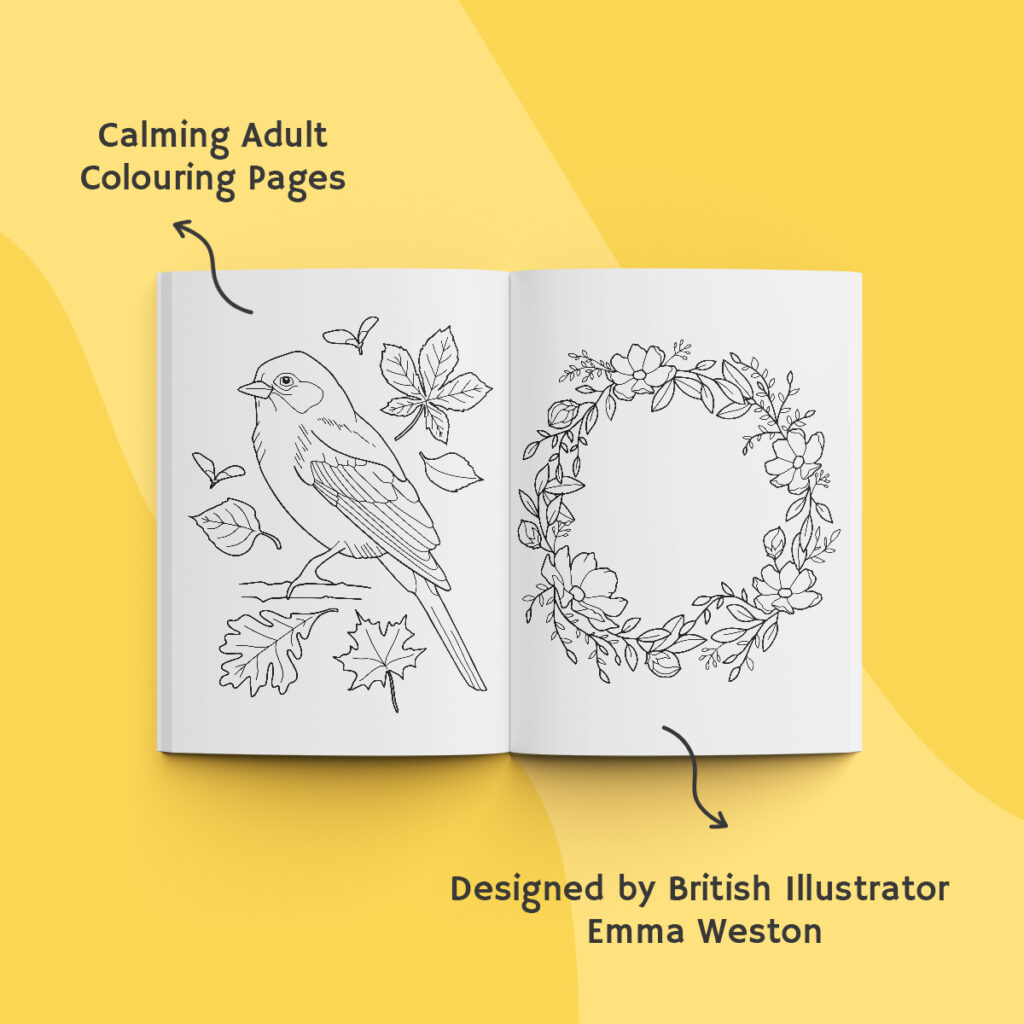
- Simple stimulating gifts: A bold and easy adult colouring book or activity book allows them to get creative. A sensory blanket is also a stimulating gift that can keep their mind busy.
- Comforting gifts: A soft or weighted blanket and teddies can offer a significant sense of comfort and help reduce anxiety.
A Good Day
At A Good Day, we have a collection of dementia-friendly games and activities, designed with ease of use and simplicity to provide meaningful and engaging experiences for individuals living with dementia. On our website, you can browse activities that offer a sense of purpose and accomplishment, making every moment count.
Staff picks
-

A4 Colour & Conversation Activity Book
£9.99 -
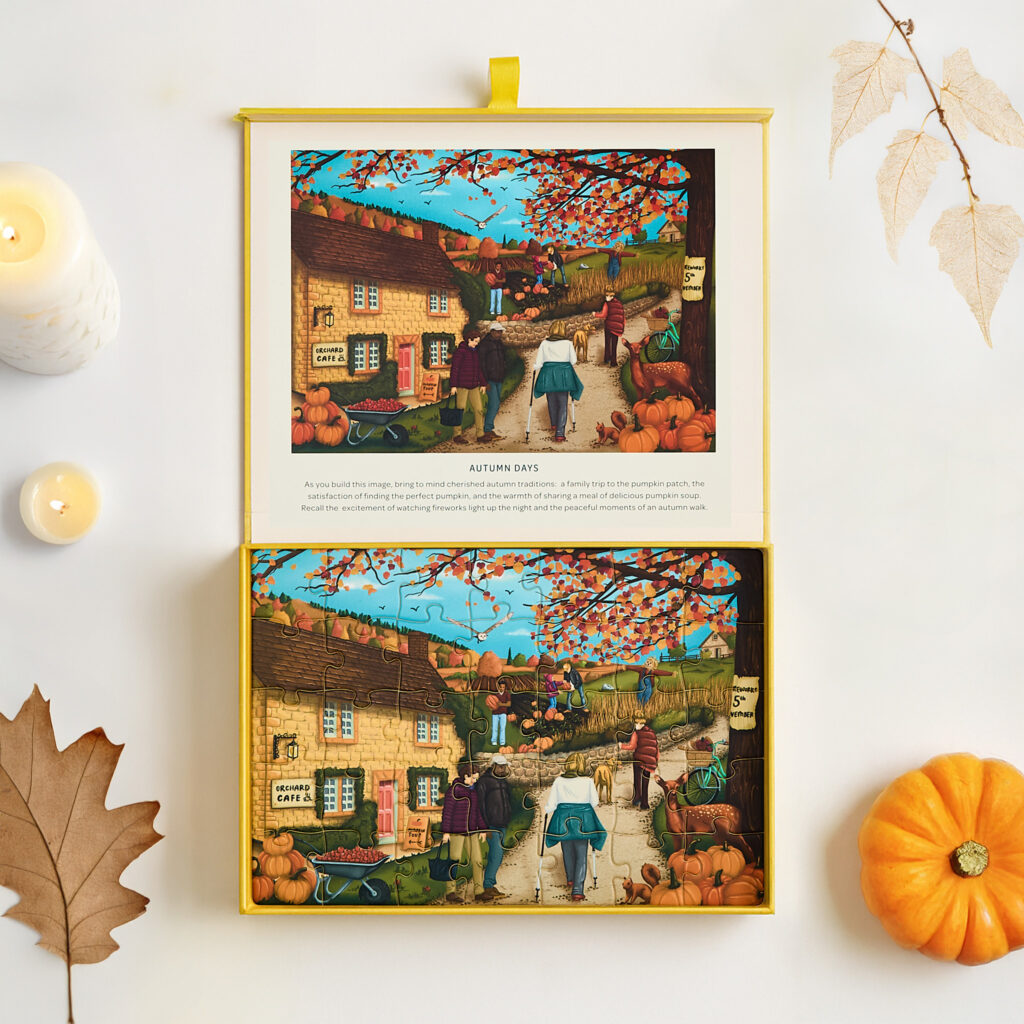
Autumn Memories 35 Large Piece Jigsaw Puzzle
£17.99 -
Care Home & Community Package
Original price was: £147.90.£118.00Current price is: £118.00. -

Matching Memories™ Conversation Game
£17.99


