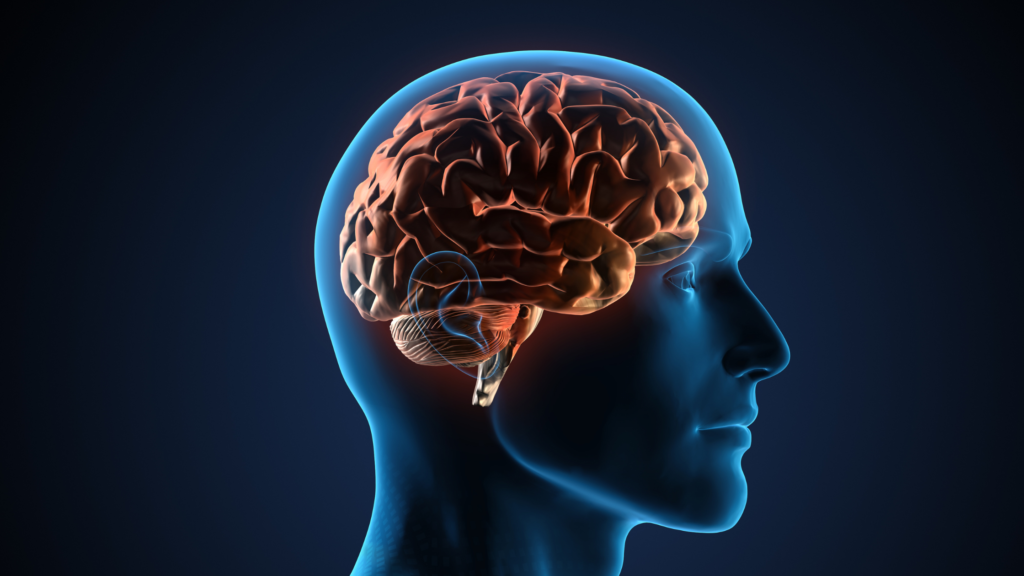
If you or a loved one has had a dementia diagnosis, you’ll know more than most about the symptoms of dementia. But how much do you know about what’s actually going on in the brain?
In this blog, we’ll explain the science behind dementia in simple terms to give you a better handle on what’s going on up there and how it influences behaviour, thinking, and mood.
Read on for your simple scientific guide to how the different types of dementia affect brain function.
Characteristics of a brain with dementia
Dementia develops as a result of damage to the brain cells.
There are several types of dementia which occur as a result of different factors and affecting people in multiple ways.
How do changes in the brain impact behaviour?
Our brains are in charge of how we behave thanks to a system of neurons, brain regions, neurotransmitters, and hormones.
In a healthy brain, areas like the prefrontal cortex, amygdala, and hippocampus influence our decision-making abilities, emotions, and memory.
In a person with dementia, these areas are compromised because of damage to the nerve cells, so parts of the brain can’t function as they normally would. This changes certain behaviour, reactions, mood, and thinking.

What’s the difference between a typical brain and a dementia brain?
Ageing naturally causes brain cells to die, creating memory issues and slower thinking.
Dementia speeds up this process, with brain cells dying faster and limited communication between damaged cells.
What are the most common types of dementia?
- Alzheimer’s
- Vascular dementia
- Dementia with lewy bodies (DLB)
- Frontotemporal dementia (FTD)
- Mixed dementia
How does dementia affect the brain?
The brain is separated into lobes, each with its own function.
- Frontal lobes – movement, problem-solving, judgment
- Temporal lobes – memory, hearing
- Parietal lobes – sensory processing, spatial awareness, handwriting
- Occipital lobes – vision, visual processing
Dementia symptoms depend on which form of dementia you have, and the areas of the brain affected.
Learn about the types, impact and symptoms of dementia.
Alzheimer’s disease
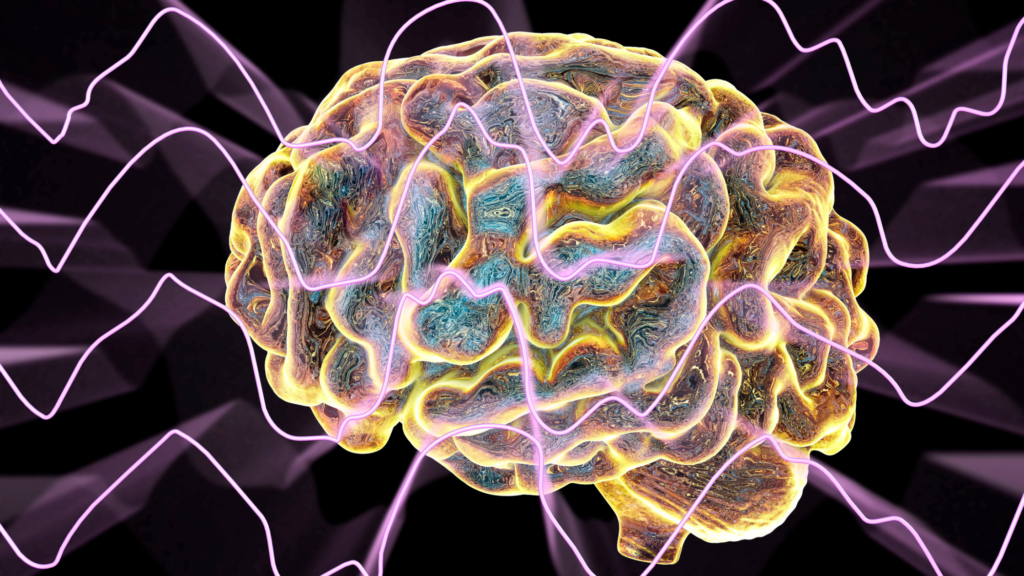
Alzheimer’s is the most common type of dementia.
Typical characteristics of a brain of someone with Alzheimer’s can be:
- An abnormal build-up of amyloid plaques, which exist in every brain but in excess in a brain with Alzheimer’s
- Neurofibrillary tangles – twisted fibres of another type of protein inside the brain cells.
Alzheimer’s affects:
- The hippocampus – vital for forming new memories
- The temporal lobes – for understanding language and processing sensory input, leading to trouble with speech and facial recognition.
- The parietal lobes – in charge of navigation and spatial awareness, causing people to get lost or struggle with spatial tasks.

Vascular dementia
The second most common type of dementia, vascular dementia is linked to blood flow and cognitive functioning.
It can be linked to chronic conditions like diabetes and high blood pressure, or strokes.
Vascular dementia can affect:
- The frontal lobe of the brain – responsible for decision-making and impulse control. This creates struggles with planning, mood swings, and impaired judgment.
- Parietal lobes – in charge of spatial awareness and sensory processing.
- Occipital lobes – linked to visual processing, so people struggle to understand visual information.
Lewy body dementia
Lewy body dementia occurs when proteins called lewy bodies form on brain cells.
Influencing movement and cognitive function, there are three parts of the brain affected by lewy body dementia:
- Substantia nigra, in charge of movement control – this creates symptoms also seen in Parkinson’s disease, like stiffness and tremors.
- Cerebral cortex – behind thought, perception and language – this can lead to disturbed sleep and hallucinations.
- Autonomic nervous system – regulates bodily functions. In this instance, we might see issues with blood pressure, bowels and bladders.
Frontotemporal dementia
Frontotemporal dementia is a form of dementia associated with shrinkage and damage to cells in the brain.
It affects three parts of the brain:
- Frontal lobes – bringing about a change in personality, apathy, or inappropriate behaviour
- Temporal lobes – responsible for language and emotion. This creates speech difficulties and emotional changes, making people emotionally flat or exaggerated.
- Amygdala – for emotional processing. People can find it hard to understand and express emotions.
Mixed dementia
People can also experience mixed dementia, combining features of other forms. Symptoms vary depending on which parts of the brain are affected.

Staying positive after a diagnosis
We know how challenging life with dementia can be, having experienced it first-hand. However, we believe in the importance of finding joy in life, no matter what.
Follow our tips for adding a burst of joy into your days.
- Take part in suitable activities and hobbies at every stage
- Stay connected with loved ones to maintain meaningful bonds
- Practice mindfulness techniques to prioritise your mental wellbeing
- Seek support from community groups and healthcare professionals
- Focus on what you can do, not what you can’t – at every stage of dementia, there is fun to be had if you keep an open mind and get creative.
Meaningful games and activities for dementia
We hope this blog has helped you understand how dementia affects different parts of the brain. Living with dementia may not always feel easy, but our wish is that you find glimmers of joy in everyday moments.
Our dementia-friendly games and activities are designed to give you a helping hand with staying connected and positive as you become affected by dementia.
If you try them, please let us know what you think!