
Life story work can be a profoundly beneficial activity for individuals living with dementia, offering a unique opportunity to reconnect with their personal histories and identities. This therapeutic process facilitates more meaningful interactions with caregivers and loved ones, enhancing overall well-being and quality of life.
Why create Life Story books?
For every Life Story book created, there are a hundred different reasons why someone has decided to put pen to paper. It may be that they want to record family history, or that they enjoy a creative project. For others, it’s a therapeutic stroll down memory lane.
Benefits for the next generation
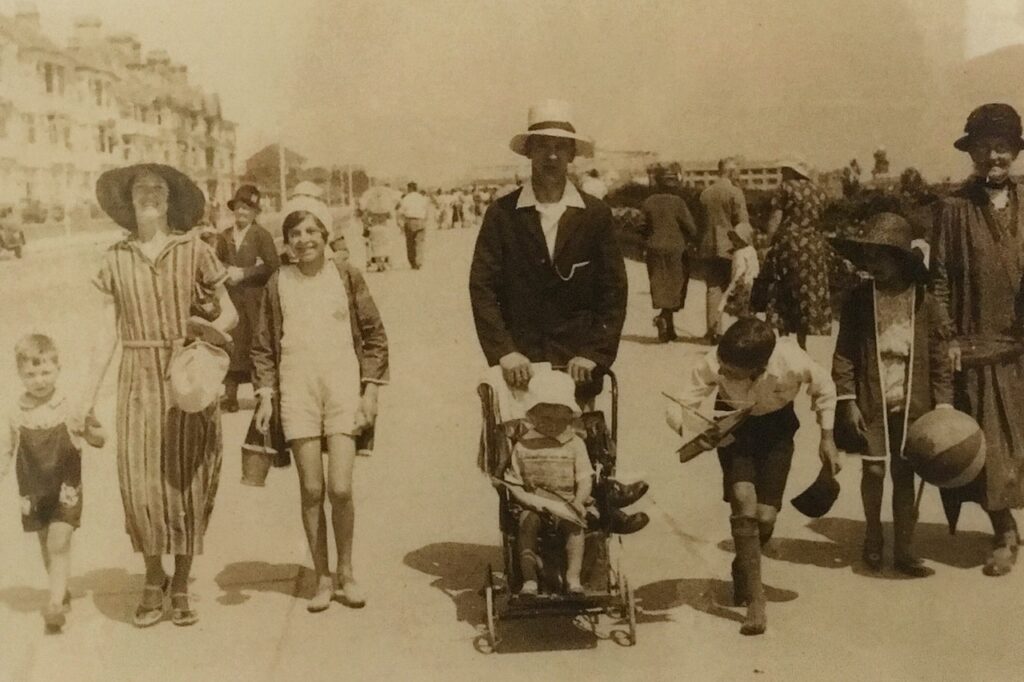
The top reason people cite for investing in a Life Story book is to record family history. However, this goes beyond cataloging important names, places and dates. Research from Emory University, Atlanta (1), shows that sharing your story with children or grandchildren can help to build young people’s emotional resilience.
In an age of perfectly curated social media stories, it’s more important than ever that young people are shown that life is a journey of ups and downs. It helps give perspective and comfort. It’s also a chance to pass on words of wisdom that will be treasured for generations to come.
Helping enhance person-centred care for people living with dementia
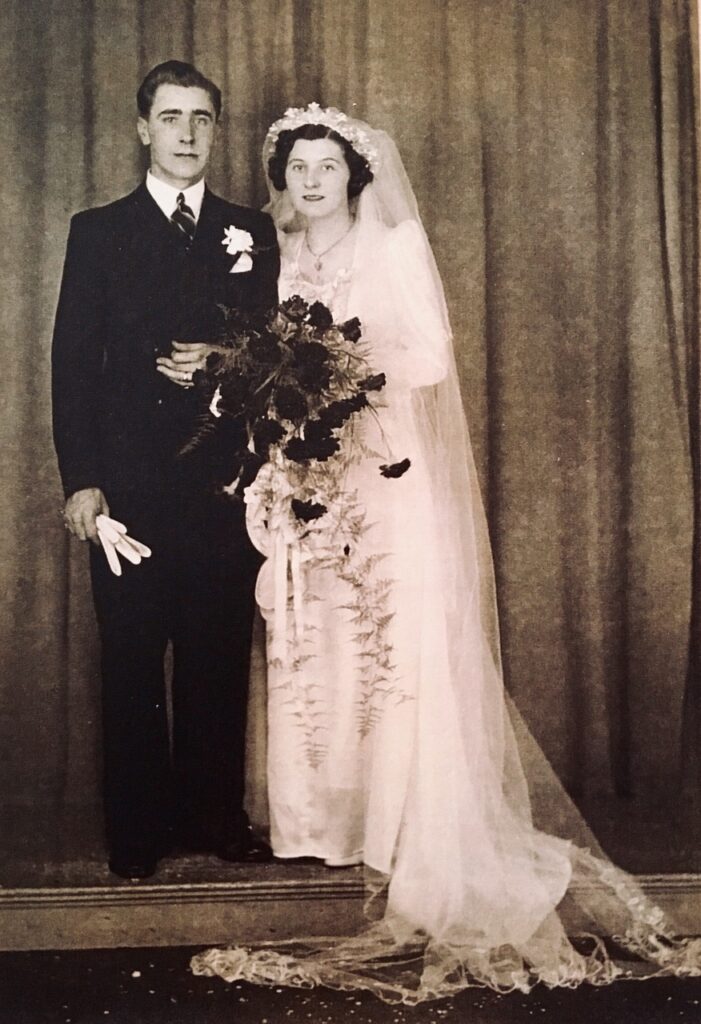
Research has also shown that these books are a great communication tool for future care (2). They provide an opportunity for an individual to be viewed on their own terms. Research from York University (3) highlighted the positive ways in which Life Story Books helped connect people living with dementia with their carers.
It’s an easy way to show new friends or carers what’s important in your life, and they can then see beyond a diagnosis or condition.
How to create a Life Story Book
Most national dementia support charities offer guidance on Life Story Work:
- Dementia UK: https://www.dementiauk.org/life-story-work/
- This is Me – Alzheimer’s Society: https://www.alzheimers.org.uk/sites/default/files/2020–03/this_is_me_1553.pdf
- If you’d prefer a bespoke and more in-depth service, Presenting Your Past offers a variety of options. They offer training for group projects in care homes or community support groups. They also provide in-person and online services for individuals. www.presentingyourpast.com
Some of the most commonly asked questions about Life Story books
What if I don’t have many photos?
Essentially, Life Story books combine stories and photos, but each book is unique. Some books feature only a handful of photos, whilst others have included hundreds of cherished pictures.
Aside from photos, you can include tickets, postcards, letters, recipes, maps, property particulars, certificates, programmes, newspaper clippings, film posters- if you can scan it, you can include it.
Where do I start?
Most books work chronologically, but you can also just focus on areas, e.g. work, or travel.
When thinking about what to include, always focus on whatever makes you smile- your ‘best bits’ -the memories and milestones you treasure.
What if my life is just a bit boring?
To quote Mark Twain- “There was never yet an uninteresting life. Such a thing is an impossibility. Inside of the dullest exterior, there is a drama, a comedy, and a tragedy.” Everybody has a story of value, and every life is a story worth sharing.
Start your own Life Story Journey
Rachel is a Life Story Writer at Presenting Your Past. “I’ve always loved hearing and sharing my own family stories. My Gran was a great one for photo albums and her stories helped add colour to the
black and white photos.
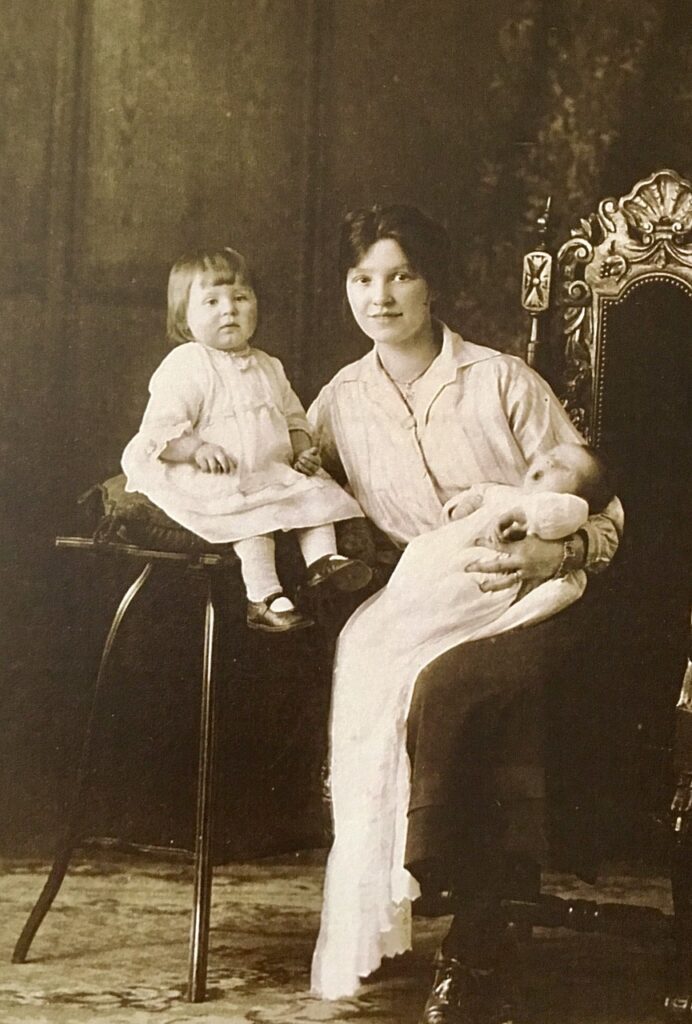
Sadly, when Gran was diagnosed with dementia, we lost too many of these important memories, so I decided to set up Presenting Your Past to provide an easy, fun, and affordable service for other people to save their stories.”
If you’d like more information about creating a Life Story Book with Presenting Your Past, Call Rachel on 07583 297432 for a chat or go to presentingyourpast.com.
For other ideas check out the blog on ideas for more meaningful activities for people living with dementia.
References