
There are so many ways to sprinkle a little joy into life with dementia, and creating a memory box is an easy and fun place to start.
In this blog, we’ll walk through how to make a memory box for dementia, what to include, and the benefits it can bring to a loved one loving with dementia.
First things first: what is a dementia memory box?
A memory box is a container filled with personal items that hold significance for your loved one.
You could use a shoebox, a basket, or even a decorated wooden chest – the design itself can be as simple or as elaborate as you like.
The items you choose to fill it with should spark memories, stimulate conversation, and give a sense of comfort and identity to your loved one.
It’s personal to each individual, so yours can look however you like: the important thing is to ensure it’s full of things that have emotional meaning to your special person.
Benefits of a memory box for dementia
There are just so many benefits of making a memory box for people living with dementia – here are just a few of them:
- Encourages reminiscence – familiar objects can spark long-term memories, even when someone’s short-term memory is fading.
- Supports communication – a memory box is full of conversation-starters to encourage better communication with loved ones, carers, and visitors. It can sometimes be tough knowing what to talk about, so having prompts eases the burden and keeps the conversation flowing.
- Reduces anxiety – handling familiar items can provide comfort and reassurance during moments of confusion for people with dementia.
- Reinforces identity – people with dementia can often struggle with feeling they’re losing their identity as memories fade and everyday life becomes more challenging. Having this box to reach for can reinforces their sense of self by highlighting their history, achievements, and passions.
- Stimulates cognitive function – interacting with the objects can even improve brain health by engaging attention, language, and problem-solving skills.
How to make a memory box for dementia
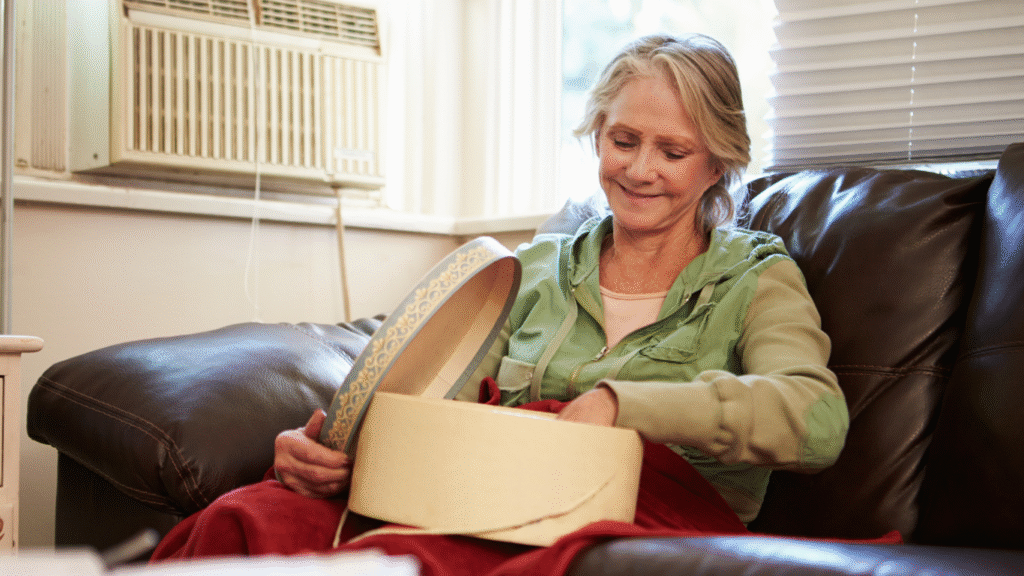
1. Choose the right container
Pick something safe and easy to open, such as:
- A sturdy shoebox
- A small wooden box
- A decorated plastic container
- A basket with a lid
If you like, you could decorate the box with your loved one to make it personal to them. This way, the process of making the box becomes a fun craft activity to enjoy together.
2. Select items to include in a dementia memory box
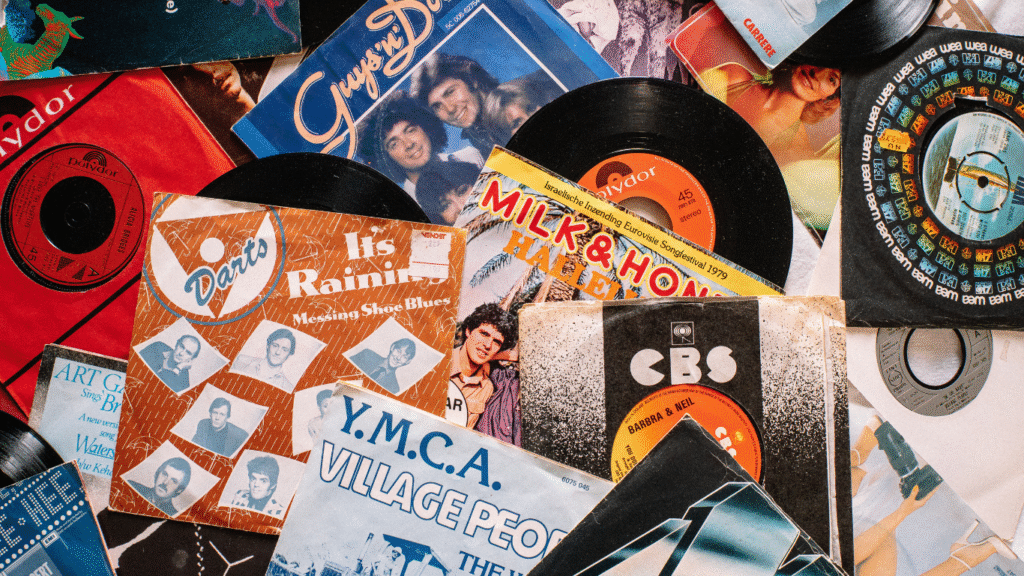
Choose objects linked to different parts of your loved one’s life.
For example, you could pick out items under categories like:
- Childhood – favourite toys, school photos, postcards from holidays.
- Work life – tools of their trade, badges, certificates, photos of colleagues.
- Hobbies – knitting needles, recipe cards, sheet music, records.
- Family – wedding photos, baby shoes, a sentimental mug or gift.
- Personal favourites – their favourite book, CD, or perfume (stimulating all of the senses is fantastic for wellbeing in dementia).
Tip – try to avoid anything fragile, sharp, or valuable, as it could provide stress and upset if it gets misplaced or broken.
3. Think about all of the senses
As we touched on earlier, it’s really beneficial if memory box can stimulate all of the senses, so select items that offer a range of sensory experiences.
- Sight – think about dementia-friendly colours for both your items and any decorative elements.
- Touch – different fabrics, shells, soft toys.
- Smell – a familiar perfume, lavender sachets, bubble bath or body lotion.
- Sound – CDs, cassettes, or records, a small instrument they used to play.
- Taste – old recipe cards for things you can cook or bake together,
4. Make it personal
Above all, your memory box should be 100% personalised to your loved one.
If possible, involve them in choosing the items so they feel a sense of independence and pride in their handiwork.
5. Keep it flexible
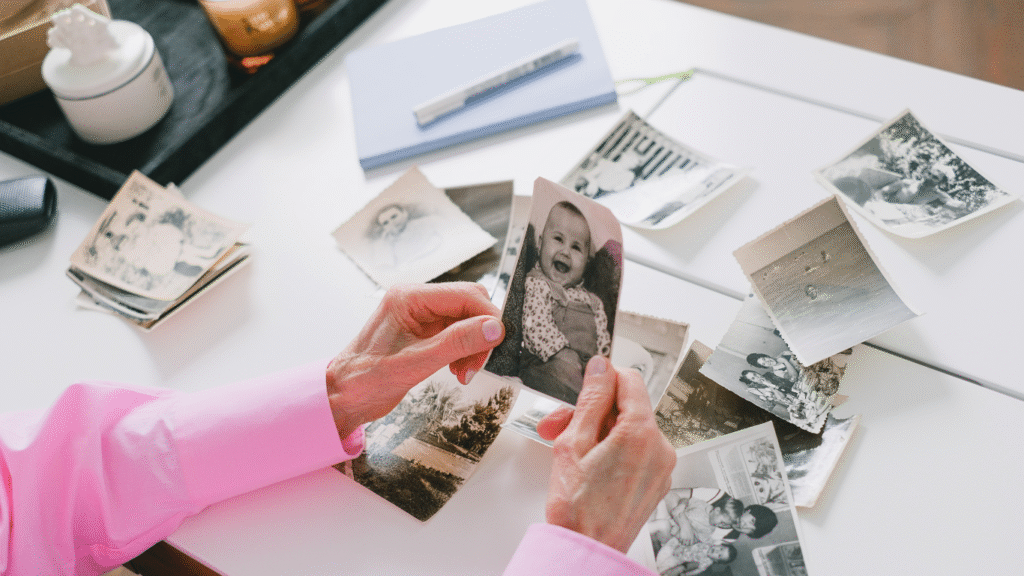
A memory box is not a static thing you create once and then its contents are set in stone.
Think of it as an ongoing project that evolves over time as you add and remove items or swap them for alternatives to keep it a fun and meaningful experience to enjoy together.
Tips for using a memory box
Using your memory box can be a lovely form of reminiscence therapy as part of your loved one’s dementia care.
Explore the box together at calm moments, not when your loved one feels distressed, and use the items as conversation starters: “Do you remember when you used this?”
Allow your loved one to hold and handle the objects at their own pace, and encourage visiting family and carers to use the memory box to connect.
A memory box is less about craft and more about care

Making a dementia memory box is an activity you can do in a care home or at home.
Just remember, each keepsake you put in a memory box should tell a story, stimulate memories, and offer a feeling comfort. It’s all about reminding your loved one of who they are and the life they’ve lived.
Done properly, a memory box can create moments of joy, calm, and connection.
If you’re looking for other ways to connect and inject pockets of joy into life with dementia, explore our dementia-friendly games and activities.