
Looking after someone else can take its toll on your health and wellbeing, which you’ll know all-too-well if you’re a carer. Your own mental and physical health take a back seat as you cope with caring for your loved one, and we know you do a heroic job of that.
However, staying healthy and happy is vital for you to continue providing care and support to someone else.
Our latest blog is your go-to guide on health and wellbeing for carers – read on for some serious self-care support!
Why is wellbeing important for carers?
“You can’t pour from an empty cup” – we’ve all heard it, yet so many carers feel physically and mentally unwell.
Many carers struggle to get help because they prioritise their caring duties over their own health, scheduling appointments and seeking advice for their loved one whilst neglecting their own needs.
Carers UK has some shocking statistics about the wellbeing of carers:
- There are almost five million unpaid carers in England and Wales
- One in seven UK workers juggle work and caring responsibilities
- 60% of carers have a long-term health condition or disability
- 27% of unpaid carers have bad or very bad mental health
- 79% of carers feel stressed or anxious, 49% feel depressed, and 50% experience feelings of loneliness.
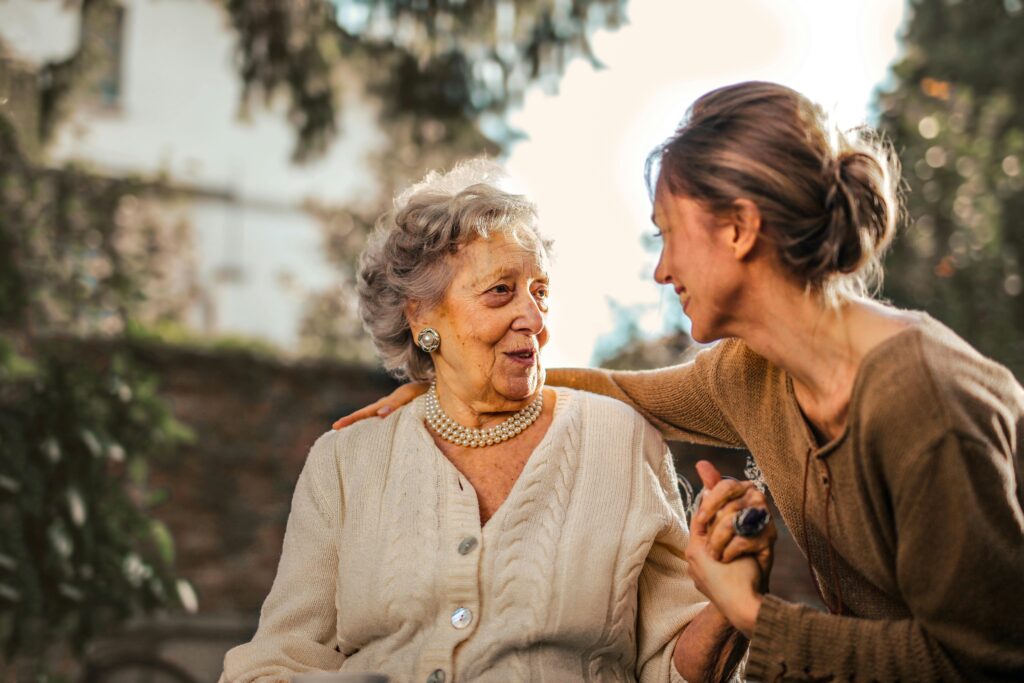
Tips for looking after your mental health and reducing stress, depression and anxiety
Here are some tips and resources to manage your mental health as a carer and reduce stress, anxiety, and depression.
Access community and peer support
Caring can be an isolating experience, so finding other carers to chat to can help you feel less alone and give you support and ideas to improve how you deal with different situations.
Carers UK runs online chats for carers while Age UK can help you find support groups in your area.
Speak to a professional
If you feel you could benefit from professional support, you can explore seeking out talking therapies through the NHS or free mental health helplines.
If you’re under 18, you could also access free therapy through CAMHS.
Stay organised
Organisation is key to keeping those plates spinning in your own life as well as someone else’s.
You might favour a paper diary or organiser, or enjoy using organisational tools like Trello or TimeTree.
Make a self-care date in your diary
What would self-care look like for you? A phone call with a friend? A yoga class? A peaceful walk with an audiobook to unwind and get some fresh air? A nail or hair appointment?
Taking a break for relaxation and recharging is so beneficial for your wellbeing, so schedule a weekly window in your diary – however small – for time away from your caring role.
How to boost your physical health and wellbeing as a carer

It’s important not to overlook your physical health when supporting someone else. Follow our tips to make it easier.
Join a fitness group or running club
You may find it hard to squeeze fitness into your diary as a carer, so join a running club or group exercise programme to make it more of a non-negotiable.
Exercise boosts your energy and strength levels, prevents injuries and illness, as well as improving mental health and sleep.
Eat nutritious meals
Being a carer is physically exhausting, so fuelling your body properly can energise you for the challenges of the day and keep you feeling at your best.
Keep a balanced diet with plenty of fruits and vegetables, and reach for high-fibre snacks like nuts rather than crisps and sweets that will see your energy spike then crash.
Stay hydrated
Dehydration can zap your energy, cause headaches, and make you feel dizzy and weak.
When you’re on the go all day looking after someone with dementia, it’s so important to stay hydrated and keep mind and body feeling tip top.
Get a good night’s sleep
Everyone benefits from a good night’s sleep, and carers especially need this foundation to face the day.
Give yourself a set bedtime, a screen-free routine and a peaceful environment to unwind.
Help for carers to connect with loved ones
In your busy caring duties, you may struggle to connect meaningfully with your loved one, especially if they are living with dementia and communicating less.
We created Matching Memories, our dementia-friendly conversation game, to help you and your loved one share stories and memories together. Find out more about our dementia games and activities.